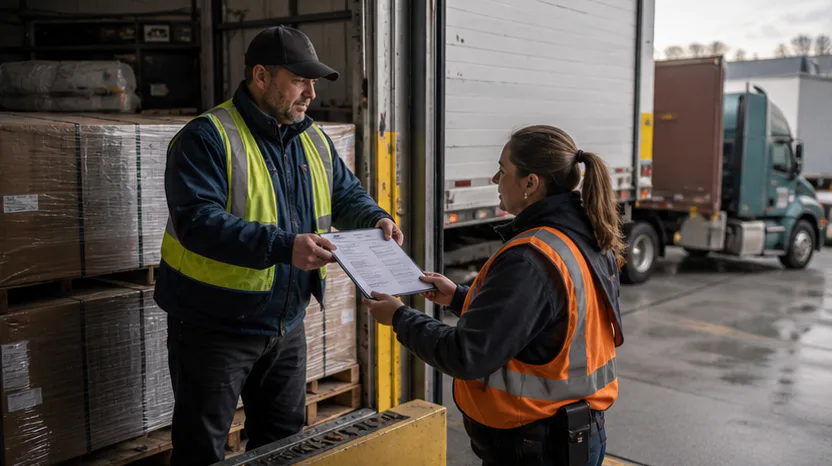
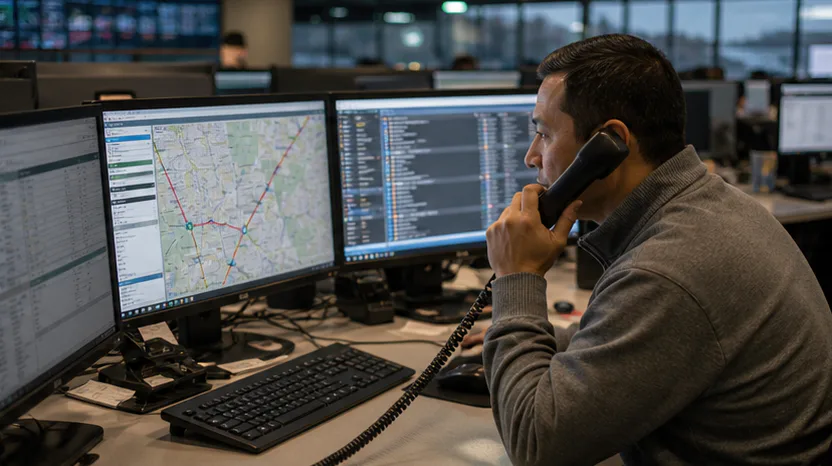
Keep orders, movement, delivery, and exceptions connected.
Metrotechs connects orders, routing, capacity, warehouses, carriers, delivery events, customer communication, finance, and reporting so teams can see the movement and act on exceptions.
Where logistics-heavy operations usually break down.
We follow the order, load, route, warehouse, carrier, appointment, delivery, proof, claim, and invoice events to find where the shared shipment story breaks apart.
01
Every handoff creates uncertainty
Orders, loads, carriers, drivers, warehouses, and customers work from different status records across the delivery flow. Each transfer introduces another timestamp, document, appointment, responsibility, and exception path, but no single operating record explains what happened or what should happen next.
02
Exceptions consume the operation
Missed appointments, delays, claims, shortages, damage, accessorials, and re-routing depend on calls and manual escalation instead of visible ownership. Teams spend the day locating the latest status, deciding who should respond, and updating customers while the same pattern repeats across other loads.
What Gets Better
Build logistics around decisions the network can trust.
The objective is not another tracking screen. It is a connected movement flow with clear ownership, useful data, and fewer avoidable exceptions.
01
One shipment picture
Connect order demand, load planning, routing, capacity, warehouse handoffs, carrier status, delivery, proof, and customer communication around a shared timeline. Every team can distinguish the planned, current, exception, and completed state without reconstructing the movement from multiple systems.
02
Exceptions with owners
Make delays, shortages, claims, missed appointments, damage, and changes visible early enough for the right team to respond. Each exception carries affected commitments, evidence, financial exposure, an accountable owner, and the next decision required.
03
Measured delivery performance
Give leadership reliable service, utilization, dwell, margin, accessorial, and cost-to-serve information for operational decisions. Measures share event definitions and can be traced back to the shipment, stop, facility, customer, or partner record that produced them.
04
A scalable operating model
Sequence ERP, transportation, warehouse, data, integrations, cloud, workflow, reporting, and practical AI work around measurable network outcomes. The roadmap defines event ownership, partner boundaries, exception rules, and readiness so growth does not multiply manual coordination.
Where We Start
Start with the movement and the records required to control it.
Logistics-heavy businesses are a fit when the real problem sits between systems: demand, routing, capacity, warehouse, carrier, delivery, finance, and customer communication.
01
Map the movement
Metrotechs maps how an order becomes a load, route, appointment, warehouse handoff, carrier event, delivery, proof, invoice, and customer update. The map includes missed appointments, shortages, claims, re-routing, detention, and other exception paths that define the real operating burden.
02
Reconcile the status
Metrotechs identifies the records, owners, event definitions, timestamps, documents, exceptions, and evidence required for reliable shipment visibility. Conflicts between ERP, transportation, warehouse, carrier, driver, customer, and finance records become explicit requirements.
03
Design the control layer
Metrotechs sequences ERP, transportation, warehouse, carrier, data, integration, reporting, cloud, and AI work against the movement findings. The architecture defines the canonical timeline, event timing, partner interfaces, access, monitoring, and exception ownership.
04
Govern the change
Launchpad keeps decisions, dependencies, risks, milestones, partner coordination, and delivery accountability connected as the network changes. Each stage is validated against real movements and exceptions before automation or predictive decisions are expanded.
Logistics Readiness
What we review before recommending a system change.
Review event ownership, carrier and warehouse interfaces, exception rules, customer status, proof, billing, and recovery before adding another visibility tool.
Readiness area
Orders and shipment records
Review customer orders, service requirements, loads, capacity, routes, stops, appointments, status events, proof, billing, accessorials, and claims. Confirm which record governs the movement at each stage and how changes reach every team and partner affected by the commitment.
Readiness area
Routing and handoffs
Assess planning, dispatch, carrier coordination, warehouse transfers, dock activity, appointment windows, driver workflows, delivery evidence, and exception ownership. Follow the physical and digital handoff together to find where status loses context or responsibility becomes ambiguous.
Readiness area
Data and performance
Identify the data and definitions needed for on-time pickup and delivery, dwell, utilization, service levels, claims, margin, and cost-to-serve. Trace measures back to operational events so reporting can guide lane, facility, customer, carrier, and capacity decisions.
Readiness area
Customer and partner visibility
Review portals, notifications, EDI, APIs, identity, access controls, partner records, monitoring, and recovery behind reliable updates. Determine which events partners can provide, which customers should see, how sensitive records are protected, and what happens when an integration fails.
Services That May Fit
Services for logistics visibility and control.
These services connect orders, routing, warehouse events, carriers, exceptions, delivery proof, finance, and customer status.
Bring us the handoff, status, exception, proof, or billing issue that teams keep reconstructing. Launchpad is available when the response needs a coordinated Roadmap across systems and partners.