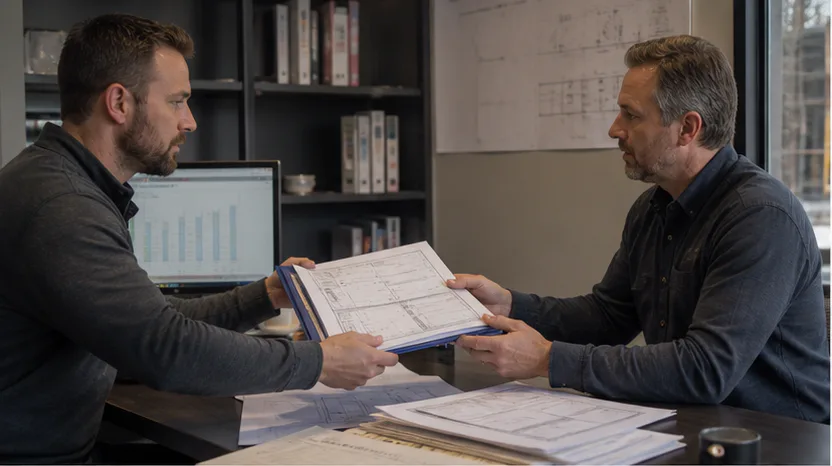
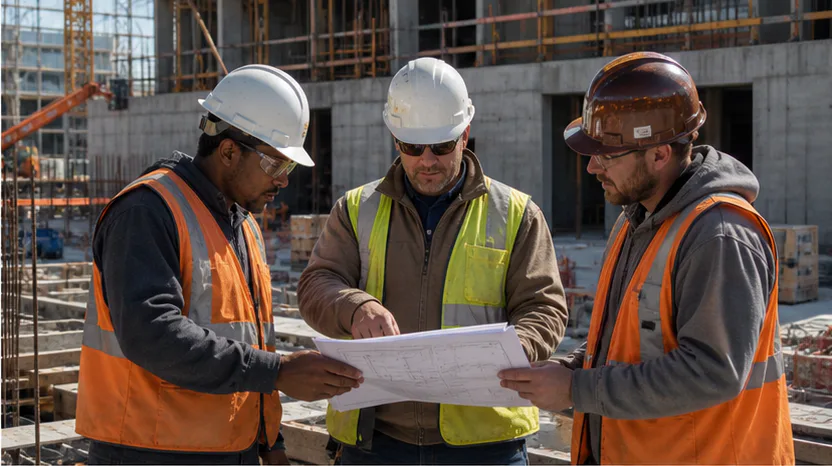
Metrotechs connects estimating, scope, purchasing, schedules, crews, field work, change orders, customers, billing, and reporting so leaders can see the job while there is still time to improve it.
Where construction and trades operations usually break down.
We follow estimate assumptions, scope, purchasing, schedules, field evidence, changes, customer decisions, billing, and job cost to find where commercial control is lost.
01
Estimates do not become job truth
Scope, assumptions, labor plans, material quotes, exclusions, alternates, and approved work are difficult to carry cleanly from proposal into delivery. Project teams rebuild the estimate in new systems, losing the commercial reasoning that should govern the budget, procurement plan, schedule, and customer commitment.
02
Crews work from changing information
Schedules, site conditions, drawings, submittals, purchasing, subcontractors, and change orders shift faster than the systems that record them. Field teams make practical decisions to keep work moving, but the office may not see the cost, schedule, scope, or billing consequence until days or weeks later.
What Gets Better
Build projects around decisions the business can trust.
The objective is not more project software. It is a controlled flow from estimate to delivery with clear ownership, useful data, and earlier visibility.
01
A controlled handoff
Connect estimating, scope, contract, purchasing, scheduling, field execution, change orders, progress, and billing around the approved project baseline. Delivery teams can trace budget and schedule decisions back to the assumptions, documents, and commitments made before the job began.
02
Earlier margin visibility
Give project leaders reliable committed-cost, actual-cost, labor, material, equipment, billing, and forecast information while work is still underway. Exceptions show which job, cost code, vendor, crew, change, or delay requires attention before the period closes.
03
Clearer change management
Capture field direction, evidence, pricing, schedule impact, approvals, owners, and customer commitments before changes become disputes or margin leakage. The approved decision flows into the project plan, job cost, billing, documents, and closeout record without being re-created.
04
A roadmap the business owns
Sequence ERP, project systems, field tools, data, integrations, workflows, reporting, cloud, and practical AI around measurable job outcomes. The roadmap defines ownership, dependencies, adoption requirements, and stage gates so technology change supports project delivery instead of interrupting it.
Where We Start
Start with the promise made in the estimate and the evidence required to deliver it.
Construction and trades businesses are a fit when the real problem sits between systems: estimating, contracts, purchasing, field work, change, finance, and customer communication.
01
Map the job flow
Metrotechs maps how an opportunity becomes an estimate, contract, budget, schedule, purchase, field activity, change, invoice, and closeout. The work follows standard delivery and the real exception paths created by site conditions, late materials, field direction, rework, and customer decisions.
02
Reconcile project evidence
Metrotechs identifies the records, owners, approvals, costs, documents, handoffs, and field evidence needed for control. Gaps between estimating, project management, procurement, field reporting, accounting, and customer communication become specific requirements rather than general complaints.
03
Design the operating stack
Metrotechs sequences ERP, project, procurement, field, data, integration, reporting, cloud, and AI work against the job-flow findings. The architecture defines systems of record, mobile access, document control, integration timing, permissions, and exception ownership.
04
Govern delivery
Launchpad keeps decisions, dependencies, risks, milestones, adoption, and accountability connected as projects and systems change. Each stage is tested against active operating conditions so the business can prove control before expanding the next workflow or location.
Construction Readiness
What we review before recommending a system change.
Review the project, field, financial, document, approval, and customer dependencies before replacing a platform or automating change and billing workflows.
Readiness area
Estimating and scope
Review opportunities, takeoffs, labor assumptions, material and subcontractor quotes, alternates, exclusions, approvals, proposals, contracts, and job setup. Confirm how the awarded commercial record becomes the delivery baseline and where teams currently rebuild or reinterpret it.
Readiness area
Scheduling and field work
Assess crews, subcontractors, certifications, site information, schedules, constraints, daily records, photos, inspections, documents, and mobile workflows. Determine what the field can access, what evidence it must capture, and how changes reach project leadership quickly enough to act.
Readiness area
Purchasing and job cost
Trace commitments, submittals, approvals, lead times, materials, labor, equipment, invoices, progress, changes, and cost forecasting. Follow cost from the original assumption through commitment and actual so variance becomes visible before it becomes final margin.
Readiness area
Customer and finance records
Review change approvals, billing milestones, schedules of value, retainage, lien documentation, communications, collections, reporting, permissions, and closeout. Identify where missing operating evidence delays billing, weakens a commercial position, or prevents finance from trusting project status.
Services That May Fit
Services for connected project and field operations.
These services connect estimating, procurement, schedules, field evidence, change orders, billing, cloud infrastructure, and job-performance data.
Bring us the estimate, field, change, cost, or billing handoff that is weakening control. Launchpad can coordinate the work when improvement spans several systems and delivery stages.