
Transformation has to work for your people.
Metrotechs leads Supply Chain Digital Transformation for U.S. mid-market manufacturers. We prepare the operation for AI, from order placement through production, fulfillment, and delivery. We assess what needs to change, develop the complete Digital Transformation Roadmap, and lead approved business and technical work through implementation, training, and adoption.
The customer sees one promise. Your business manages every handoff behind it.
From order placement through delivery, the work depends on people across sales, planning, purchasing, production, inventory, fulfillment, and service. It may also depend on suppliers, dealers, and delivery partners. Each sees a part of the work. Your customer depends on the whole of it.
When order details, availability, status, and exceptions don't travel reliably between them, employees spend time reconstructing answers. Customers wait for updates. Leaders have to make decisions with an incomplete picture.
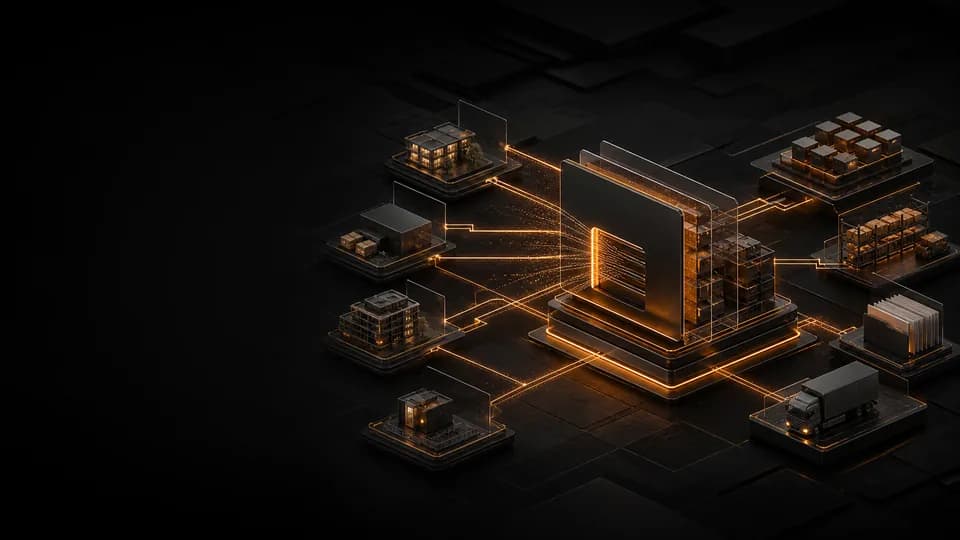
Preparing that operation means agreeing how teams work together, who maintains information, and who resolves an exception. Processes and systems have to support those responsibilities. That end-to-end foundation makes useful AI, dependable self-service, and reliable customer promises possible.

Enterprise Architecture starts with the business.
Our perspective comes from work with ecommerce and business systems, where the customer experience depends on what happens throughout the operation. Systems engineering means understanding those dependencies, how a change affects the work around it, and what evidence shows that it works. We apply that experience to the architecture of your complete operation.
Enterprise Architecture connects your business goals to people, processes, systems, trusted data, and controls. We trace where information originates, who is responsible for it, and how people respond when an order changes. The Roadmap defines the future operation and the sequence for getting there, including the practices to preserve and the changes teams need to learn.
We examine the evidence with the people who know the work. The Roadmap takes account of your existing systems, operating constraints, priorities, and capacity for change. An availability answer, for example, may depend on consistent stock definitions, current production information, an ERP connection, and a person responsible for the exception. We use that context to decide what technology should do and what people need to use it well.
Launchpad keeps the work connected.
Launchpad is the shared AI-powered platform used by Metrotechs and our clients. It brings manufacturing systems knowledge, current research, and information about your business into the assessment, Roadmap, and project coordination. Evidence, findings, responsibilities, decisions, and progress stay together.
Metrotechs leads the approved engagement and coordinates the people and providers it requires. Your leaders contribute operating knowledge and decisions; employees help us understand the work and take part in testing, learning, and using agreed changes. We plan that participation around your operating needs, including the time and support people need to learn.
Clear responsibilities keep the work moving.
We assess the operation and develop the complete Digital Transformation Roadmap. It connects AI readiness to business objectives, process ownership, system decisions, and reliable information. Development, integration, implementation, testing, change management, training, and adoption are sequenced with responsibilities, dependencies, milestones, and agreed acceptance requirements.
Metrotechs represents your business interests and leads the approved work. Your leadership sponsor agrees priorities, investment, and the evidence required for acceptance. We can develop and integrate solutions alongside appropriate providers. The Roadmap determines the work and team, including technical, process, training, and adoption responsibilities. Providers manage their own delivery resources and report progress, dependencies, and issues; we coordinate the engagement.
Your leaders provide internal authority, support agreed changes, and assign process and information owners. You make investment and operating decisions, approve changes, and accept results. Metrotechs governs commitments, issues, and decisions and reviews evidence that the agreed changes work and people can use them. The Roadmap evolves as you approve changes.
- MetrotechsAssessment, Roadmap, and leadership through implementation and adoption.
- Your businessLeadership, process ownership, employee participation, decisions, and acceptance.
- Implementation providersAgreed implementation, integration, and support for training and adoption.
Prepare the whole operation for AI.
AI is the goal of this work. It needs reliable information and workflows across the operation, from order placement through production, fulfillment, and delivery. The Order-to-Door™ framework helps us examine that flow, with trusted information, clear ownership, and processes people can use.
Useful AI needs dependable information, appropriate access and controls, and a way to judge its decisions and actions. Self-service is a natural benefit of this connected ecosystem. Customers, dealers, employees, and partners can use reliable status, documents, and workflows to complete appropriate tasks, with agreed access and a way to resolve an exception. Assigned owners need to maintain the information, permissions, and operating practices those answers depend on.
The Roadmap sequences these foundations across your supply chain, with specific AI uses and self-service tasks introduced in stages. Training and rollout support help people practice the changed work, including exceptions. We review representative tasks and operating evidence against the agreed requirements. Sustained adoption means people understand their responsibilities and use the processes successfully in everyday work, with ownership and support after rollout.
- Trusted information
- Clear ownership
- Processes people can use
- Training and practice
- Appropriate access
- Exception handling
- Reliable operations
- Changes used in daily work
- Useful AI
- Appropriate self-service
- Continued improvement