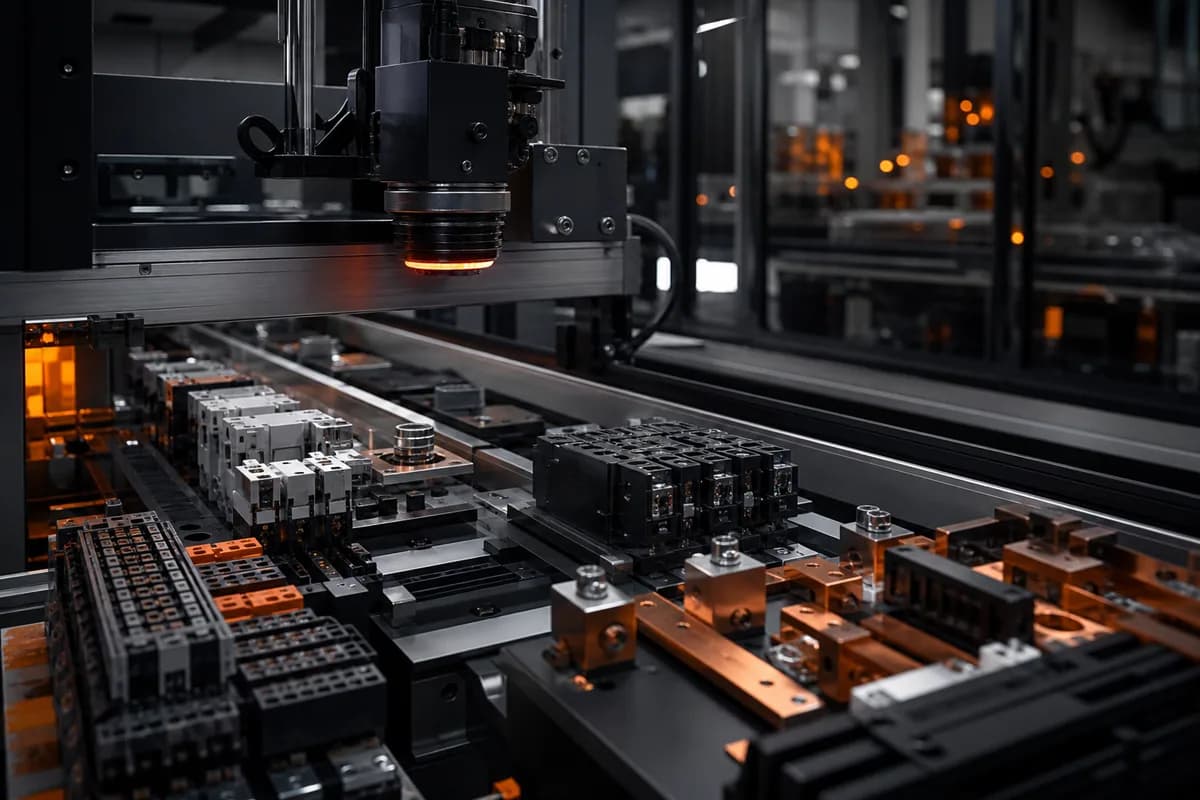
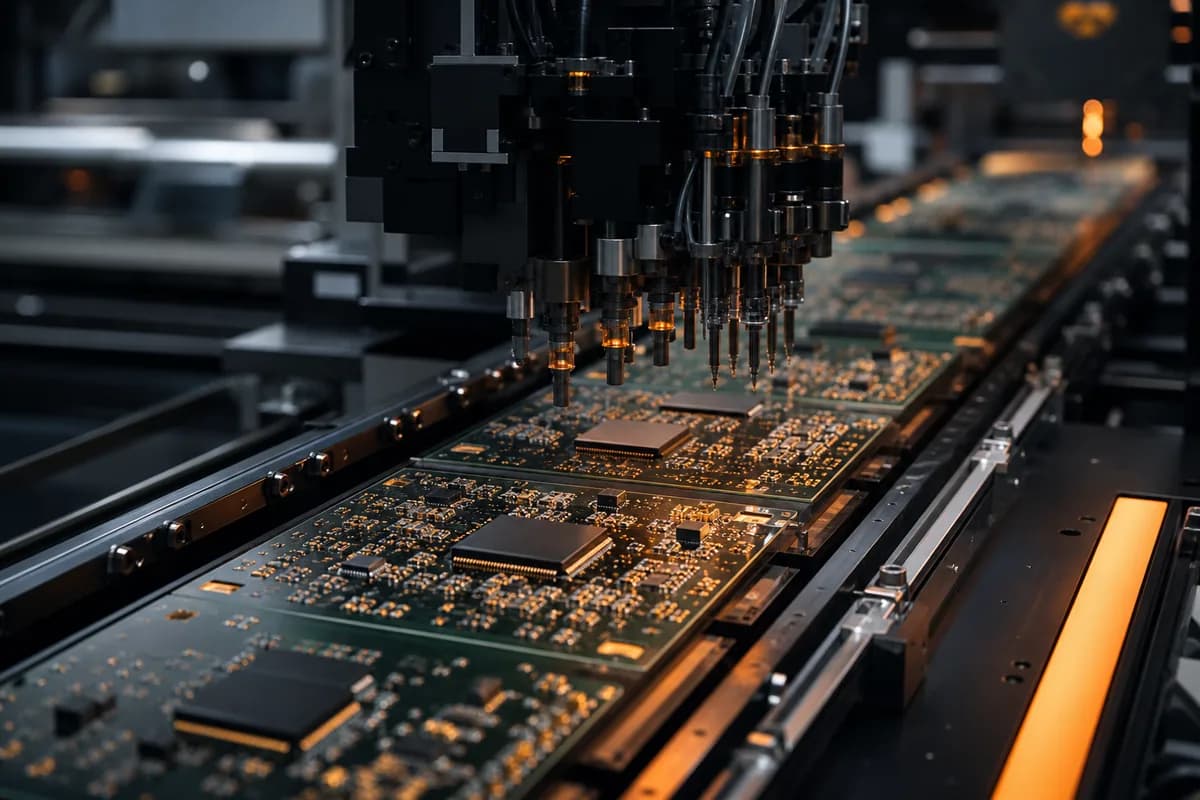
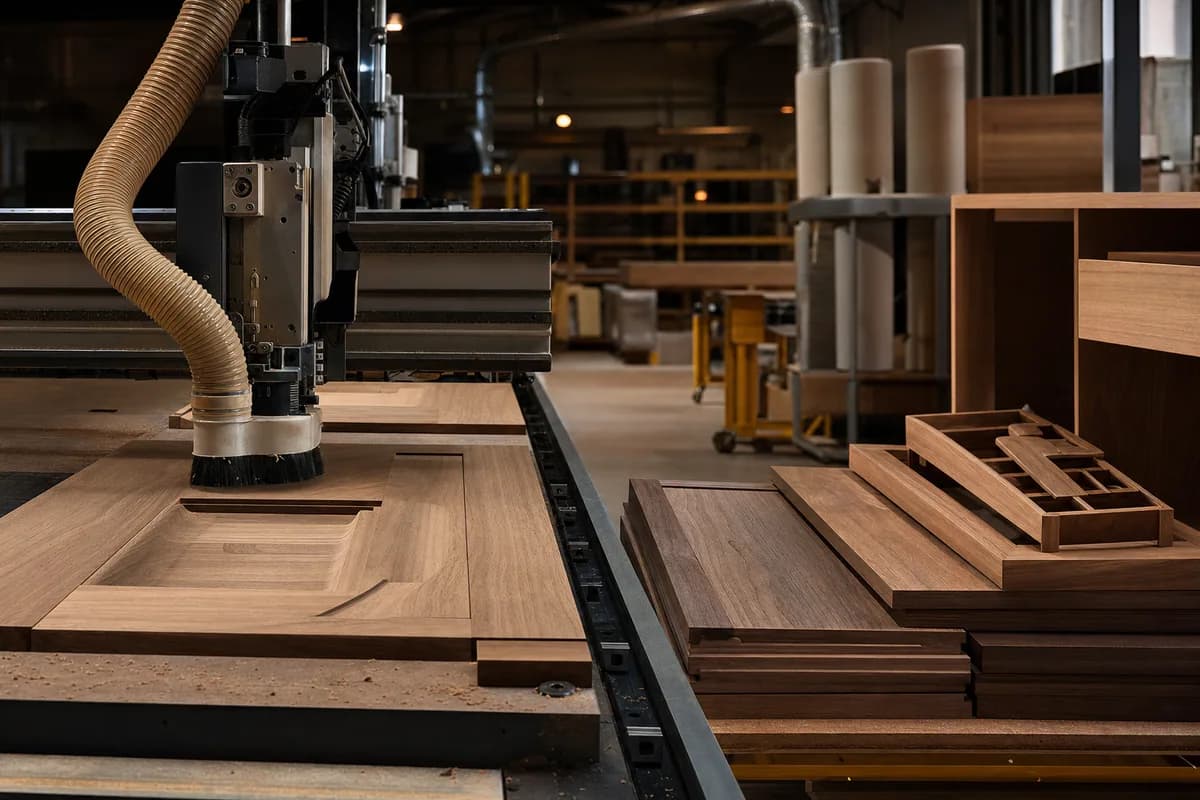
15 Manufacturing Industries

Industry signals,
systems, and operating risks.

Each manufacturing vertical has different compliance requirements, distribution models, system dependencies, and operating risks. These pages organize the content and system questions that help readers understand what to audit, modernize, or watch next.

Industries
15 verticals

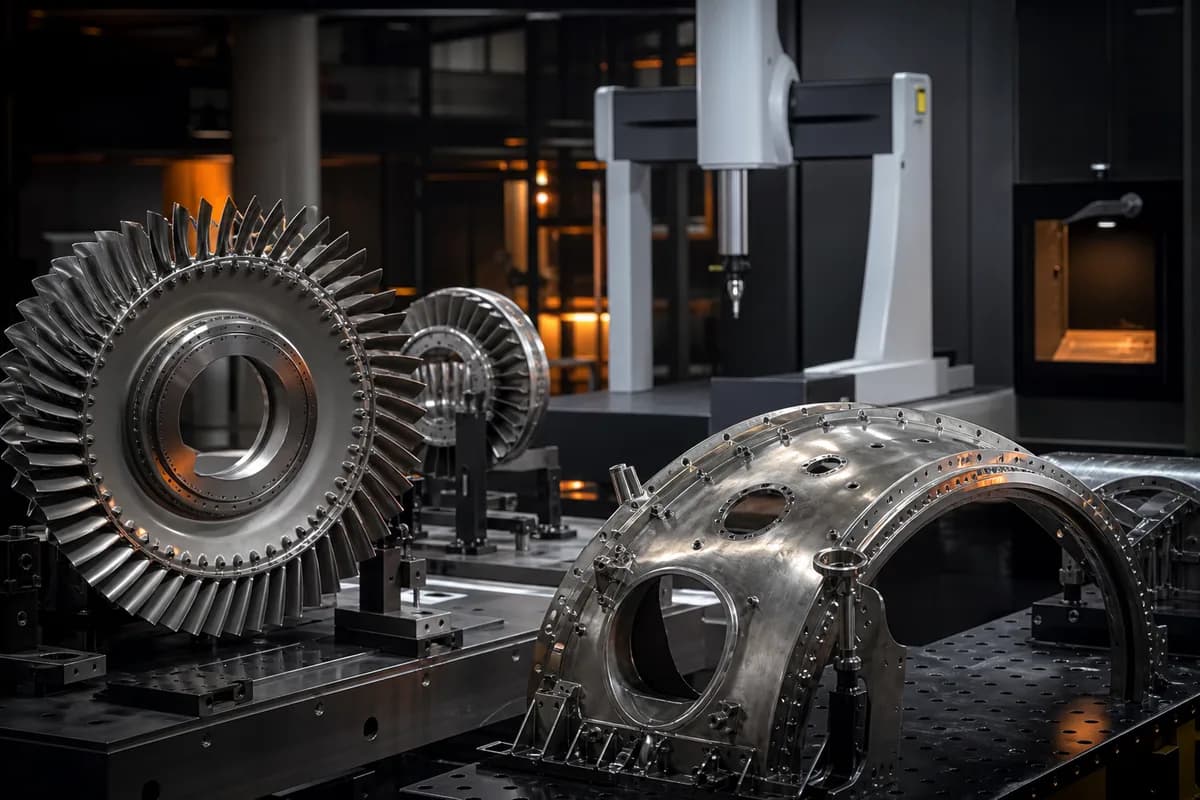
Aerospace & Defense

ITAR / AS9100

For aerospace: how to and defense manufacturers close AS9100 gaps, enforce ITAR access controls, and eliminate the manual reconciliation that creates compliance risk and audit exposure.

Explore patterns →

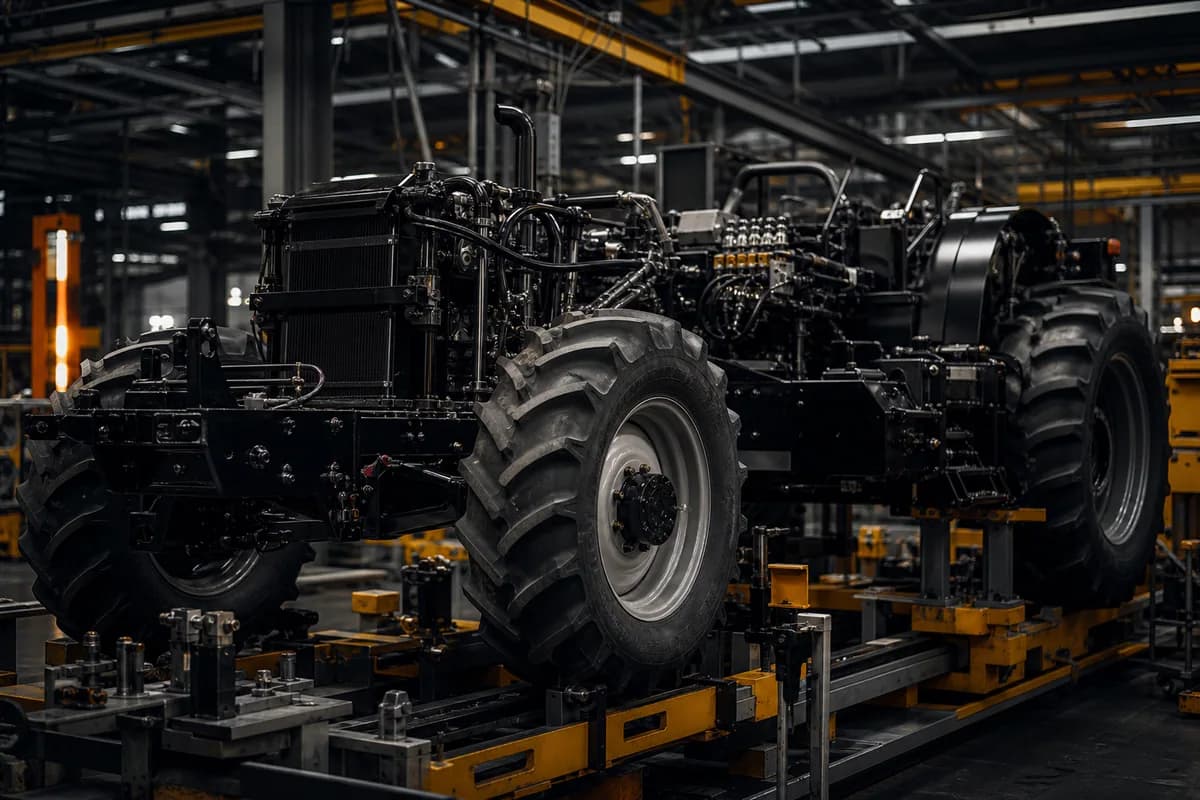
Agricultural Equipment

Dealer Networks

For agricultural: how to equipment manufacturers improve pre-season demand forecasting, give territory managers real-time dealer visibility, and replace manual parts identification with interactive catalogs.

Explore patterns →

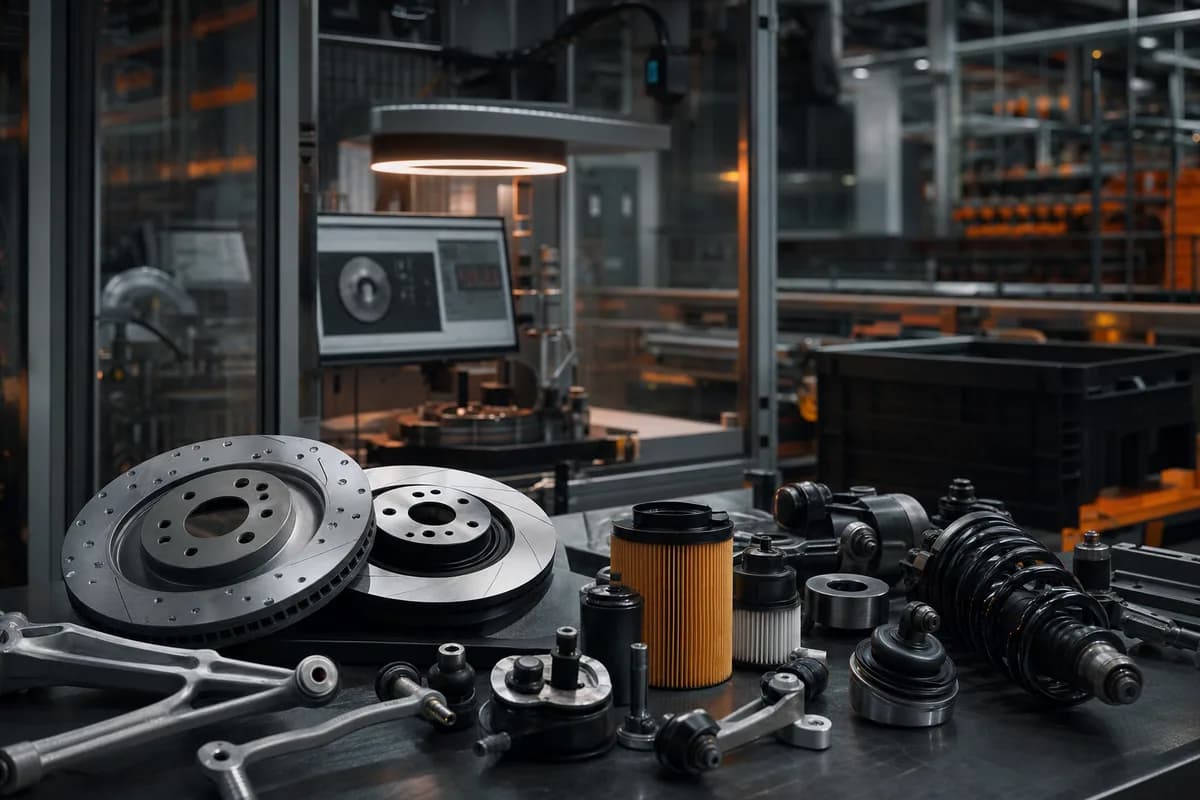
Automotive Aftermarket

ACES / PIES

For automotive: how to aftermarket manufacturers achieve 99%+ fitment accuracy, optimize multi-warehouse routing, and eliminate the manual core reconciliation that costs finance teams weeks every month.

Explore patterns →

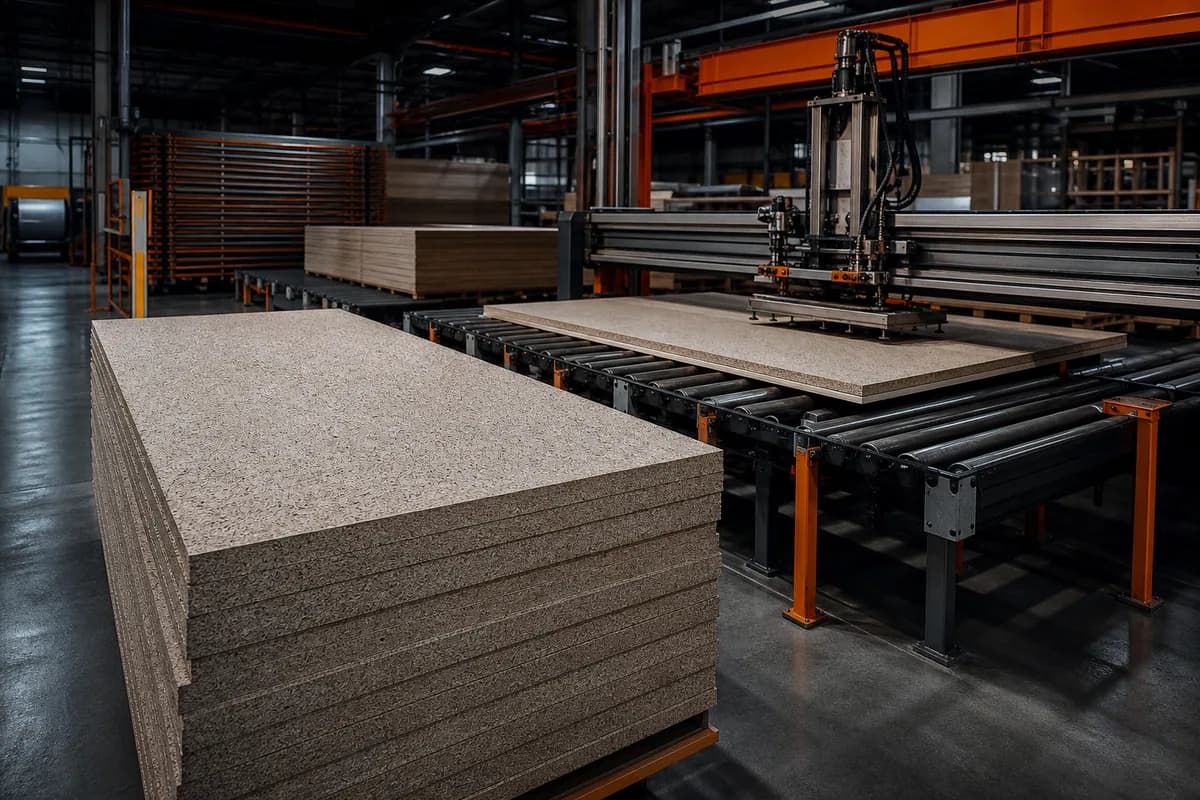
Building Materials

Contractor Portals

For building: how to materials manufacturers eliminate freight margin leakage, give contractors a self-service ordering experience, and optimize multi-warehouse routing through governed ERP logic.

Explore patterns →

Chemicals & Materials

Hazmat / SDS

For chemicals: how to and materials manufacturers automate compliance documentation, close batch record gaps, and eliminate the manual regulatory reporting that creates audit exposure.

Explore patterns →

Electrical Components

Catalog Accuracy

For electrical: how to component manufacturers improve catalog findability, enforce contract pricing at checkout, and automate compliance documentation — so distributors order with confidence and sales teams stop doing administrative work.

Explore patterns →

Electronics

BOM & Lifecycle

For electronics: how to manufacturers build BOM management systems, automate obsolescence monitoring, and compress NPI cycle times by eliminating manual handoffs and stale component data.

Explore patterns →

FFL & Regulated Products

FFL / Compliance

For FFL: how to and regulated manufacturers enforce dealer licensing and jurisdictional compliance at the point of order, synchronize A&D records in real time, and eliminate the manual vetting that creates compliance exposure.

Explore patterns →

Food & Beverage

Food Safety

For food: how to and beverage manufacturers build traceability systems, automate compliance documentation, and eliminate the manual lot tracking that turns a recall into a crisis.

Explore patterns →

Furniture & Woodworking

M2B Portals

For custom: how to furniture manufacturers and millwork shops automate product configurations, launch a dealer portal, and schedule production across thousands of variants — scaling operations without scaling chaos.

Explore patterns →

HVAC & Mechanical

Installer Compliance

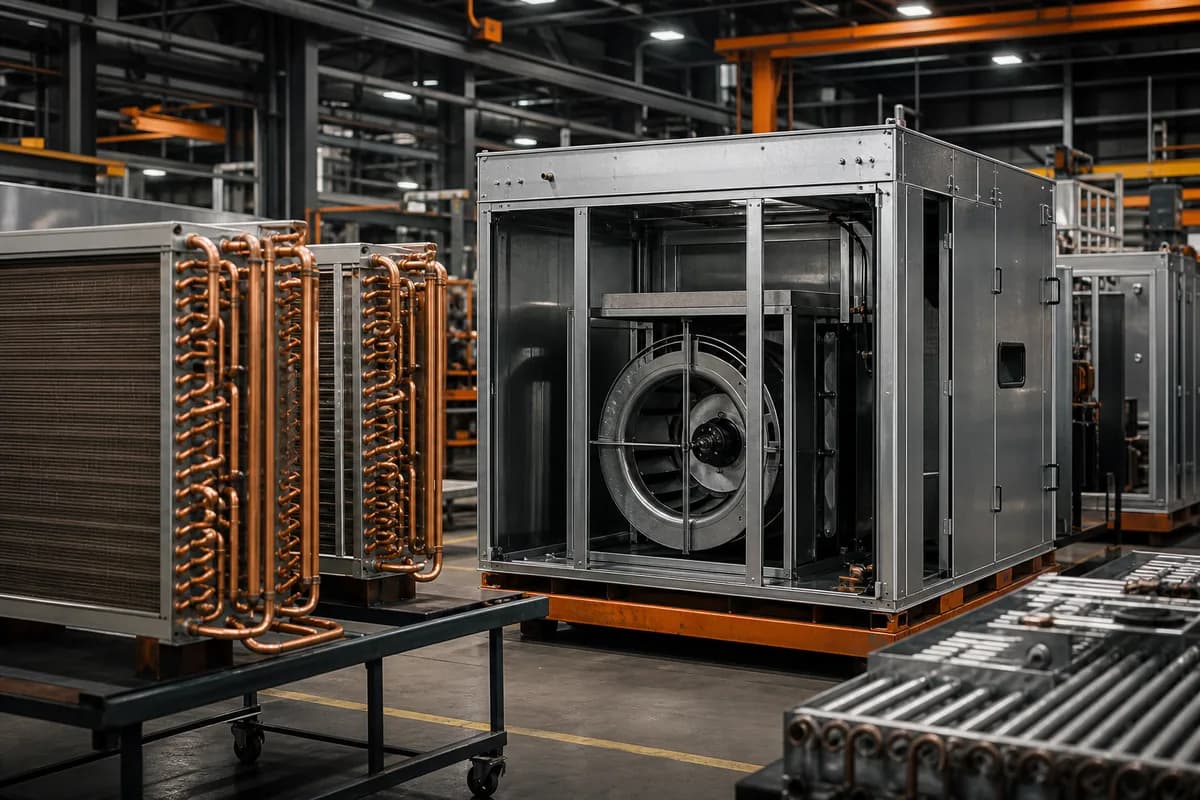
For HVAC: how to and mechanical manufacturers enforce installer certification at the point of order, improve seasonal allocation accuracy, and ensure technical specs reach the field before installation begins.

Explore patterns →

Industrial Equipment

M2B Portals

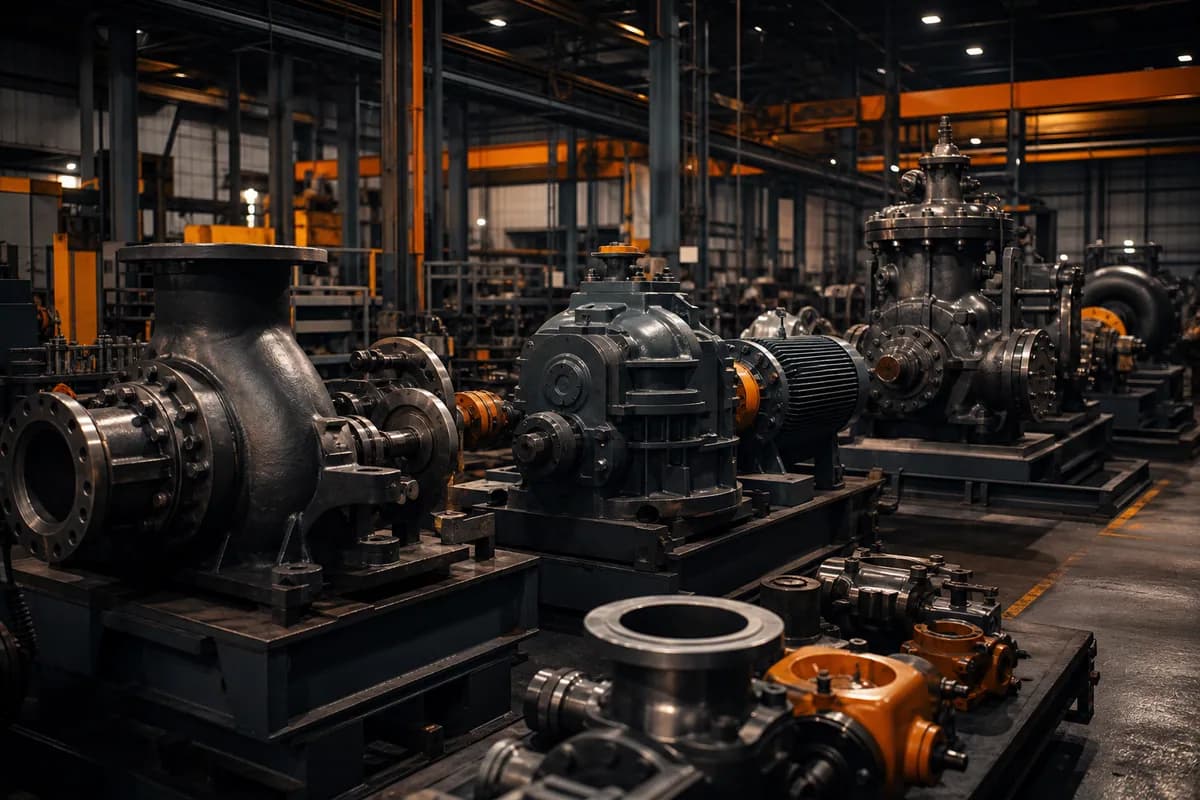
For industrial: how to equipment manufacturers reduce ETO order costs, automate CPQ workflows, and build dealer portals that let their distribution network self-serve instead of calling in.

Explore patterns →

Medical Devices

FDA / ISO 13485

For smaller: how to medical device manufacturers automate Device History Records, centralize supplier documentation, and maintain FDA/ISO 13485 compliance automatically — turning audit prep from a crisis into a checkpoint.

Explore patterns →

Metal Fabrication

Job Shop ERP

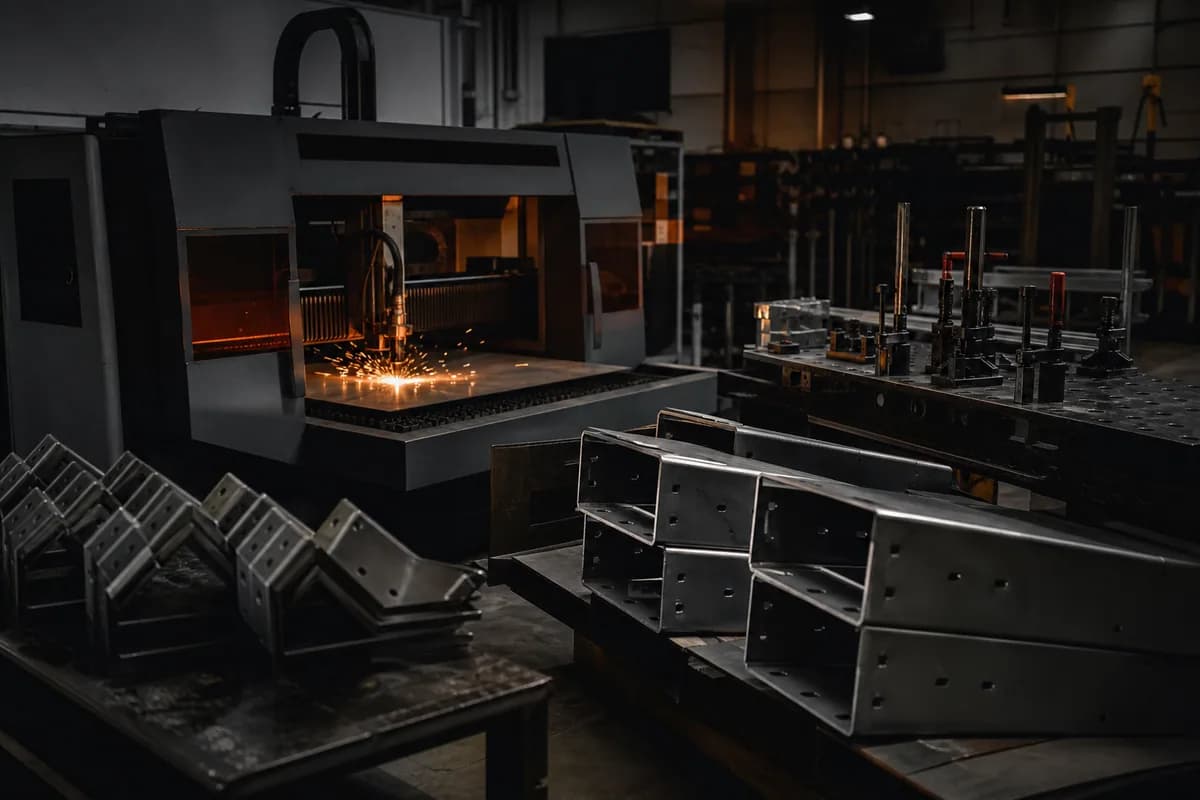
For metal: how to fabrication job shops build accurate quoting, gain shop floor visibility, and optimize material utilization — turning guesswork into predictable margin.

Explore patterns →

Plastics & Rubber Manufacturing

Production Intelligence

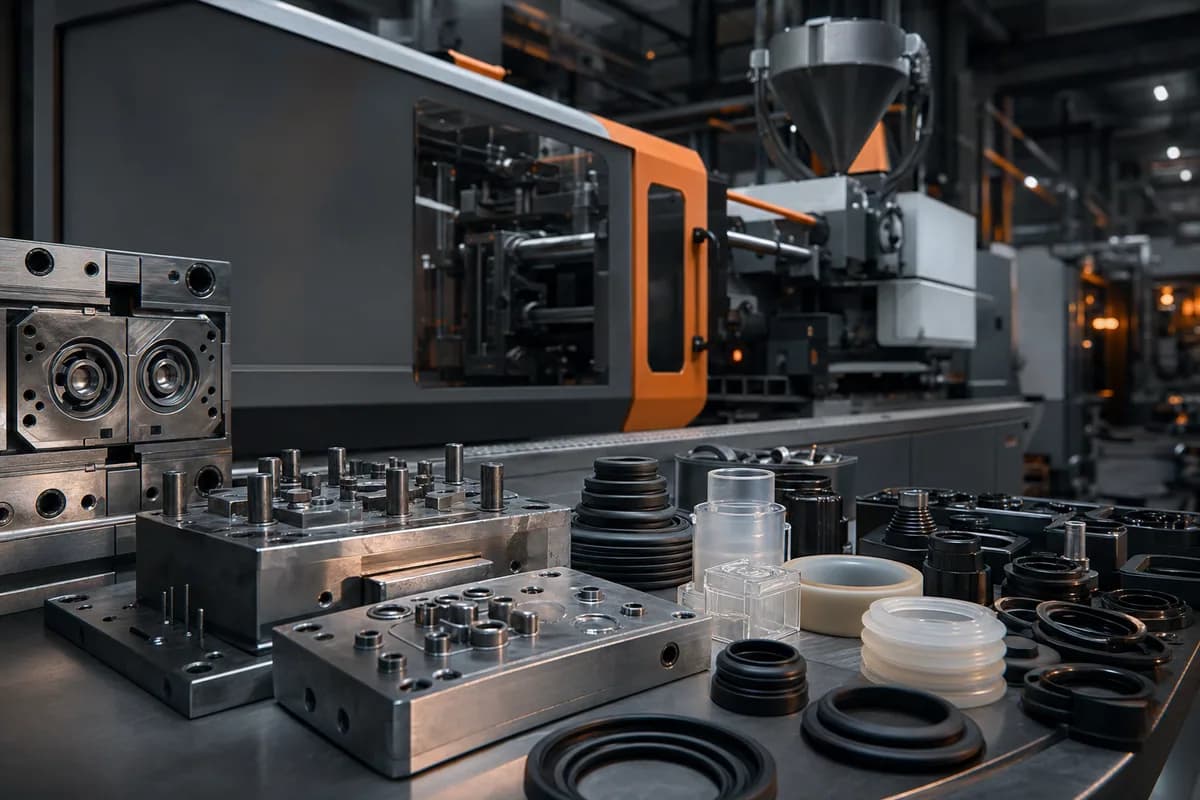
For injection: how to molders and rubber compounders track mold lifecycle, integrate real-time material costs, and trace quality issues automatically — turning downtime and volatility into data-driven decisions.

Explore patterns →

Don't see your vertical?

If you're a manufacturer with complex products, compliance exposure, dealer channels, or system fragmentation, the same operating patterns likely apply. Start with the closest industry page and compare the systems, risks, and audit questions.

Browse Topic Guides